
Boosting student success in 2026 goes far beyond grading. It is about the entire learning journey. Whether you manage a college campus, a K-12 school, or a professional training center, the core challenge is identical: how to move students from passive attendance to active achievement.
When motivation dips, the first visible symptom is often a rise in school absenteeism: causes, consequences, and solutions. To reverse this trend, many institutions are now deploying creative rewards programs designed to build a positive and inspiring learning environment.
To foster long-term academic performance, we must balance intrinsic motivation and extrinsic rewards. While a tangible prize might provide a quick boost, the ultimate goal remains encouraging a genuine love for learning.
By evolving how we acknowledge effort, we create a classroom environment where critical thinking thrives.
To maintain interest, faculty members must cater to the diverse preferences of their class. Here are several incentive ideas that align with student success.
Boost learner engagement
Quizzes, assessments, certificates — Edusign makes your pedagogy interactive and measurable.
Setting up a reward system is a continuous process. To establish clear expectations, you must communicate effectively and set achievable goals.
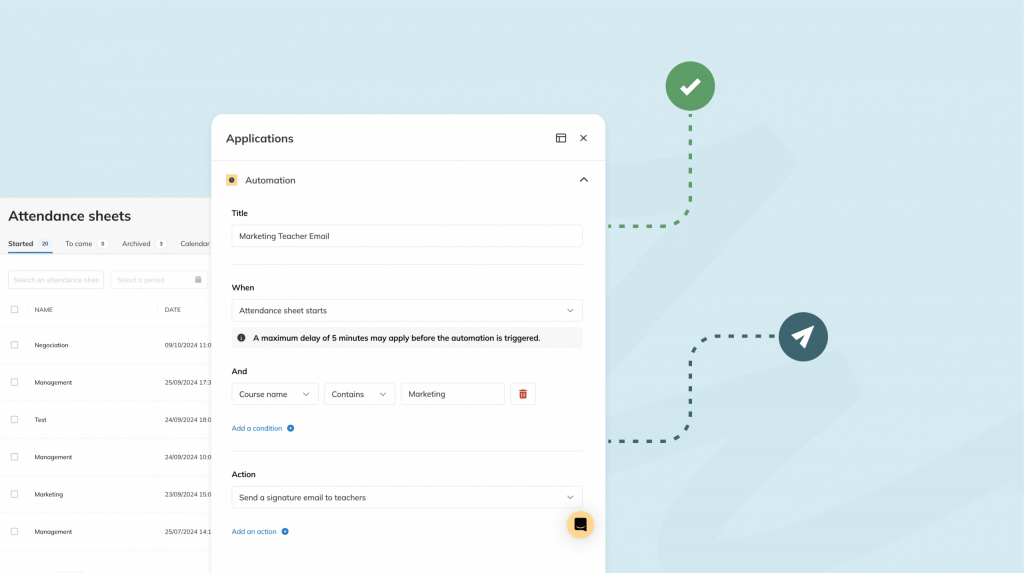
You cannot reward what you do not measure. Instead of relying on manual logs, choosing the best attendance sheet solution ensures your data remains accurate and actionable. Automating this process is a key initiative to save time for training providers (Learn how here).
Monitor engagement over a specific grading period. Create levels so that progress and improvement are celebrated as much as perfect scores. This approach is vital for student athletes and those in high-pressure academic tracks.
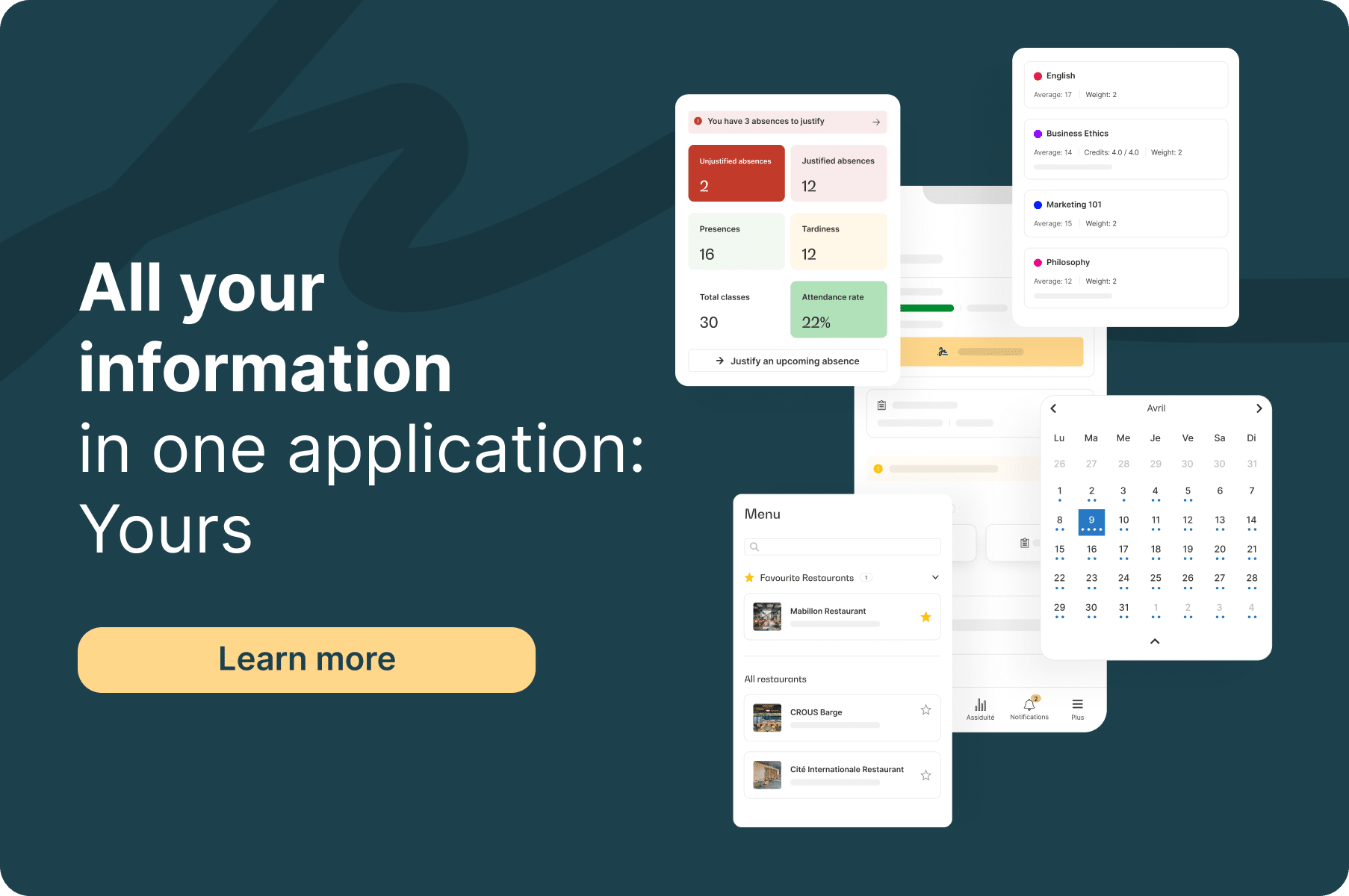
In 2026, educational technology serves as the backbone of a thriving school community. Edusign is more than a signature tool; it is a complete Student Engagement Platform designed to enhance the learning journey.
With Edusign’s Quick Survey AI features, you can gather instant feedback on student preferences. This data allows you to adjust your incentives to match what truly motivates your learners.
If a competition isn’t yielding results, the objectives might not be relevant or achievable.
Search
Recent articles

Copyright © Edusign
Discover 8 practical tips for trainers to deliver effective and engaging professional training sessions that keep learners motivated.
Learn everything about training engineering: what it is, its objectives, the role of the training engineer, and the 4 essential steps to implement it.
Discover the role of a workplace mentor, the key aspects of mentoring, who can become a mentor, and how to implement a mentoring scheme in your organisation.