
The gap between the last day of school and the first day of fall often leads to a significant drop in student engagement. For educational institutions, ranging from K-12 to higher education, the summer break presents two major risks: “summer slide” (learning loss) and a widening achievement gap. When students lose touch with their academic environment, returning in September becomes a hurdle rather than a fresh start.
To boost student success, administrators and educators need a proactive strategy. The goal is to maintain a subtle yet consistent link between the student, their peers, and the institution.
Preventing summer learning loss doesn’t mean extending the school year. It’s about transforming academic skills into practical, engaging experiences.
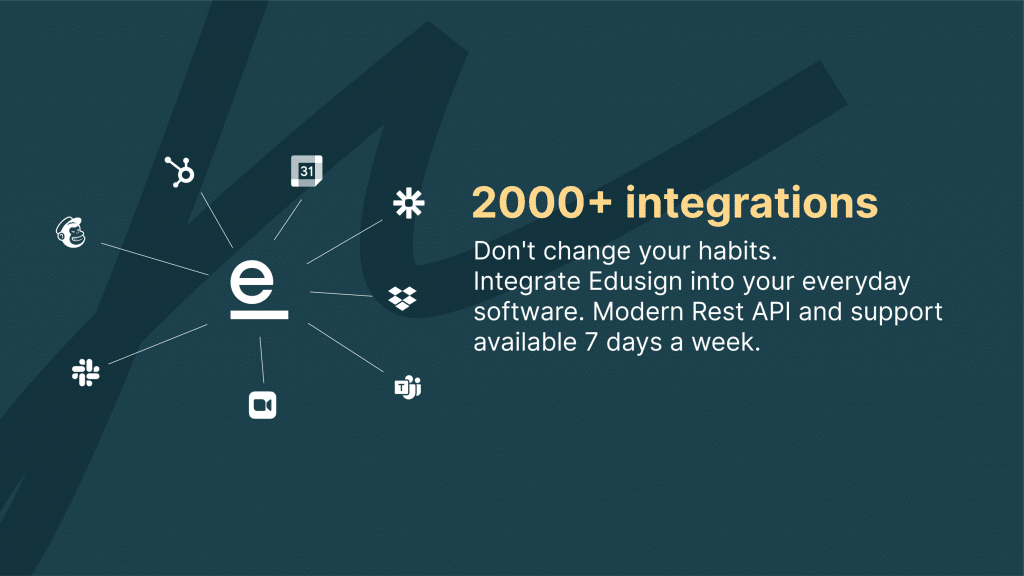
In 2026, technology is the primary bridge for maintaining community. Digital platforms allow learning to continue naturally outside of traditional school hours.
Your students deserve a better experience
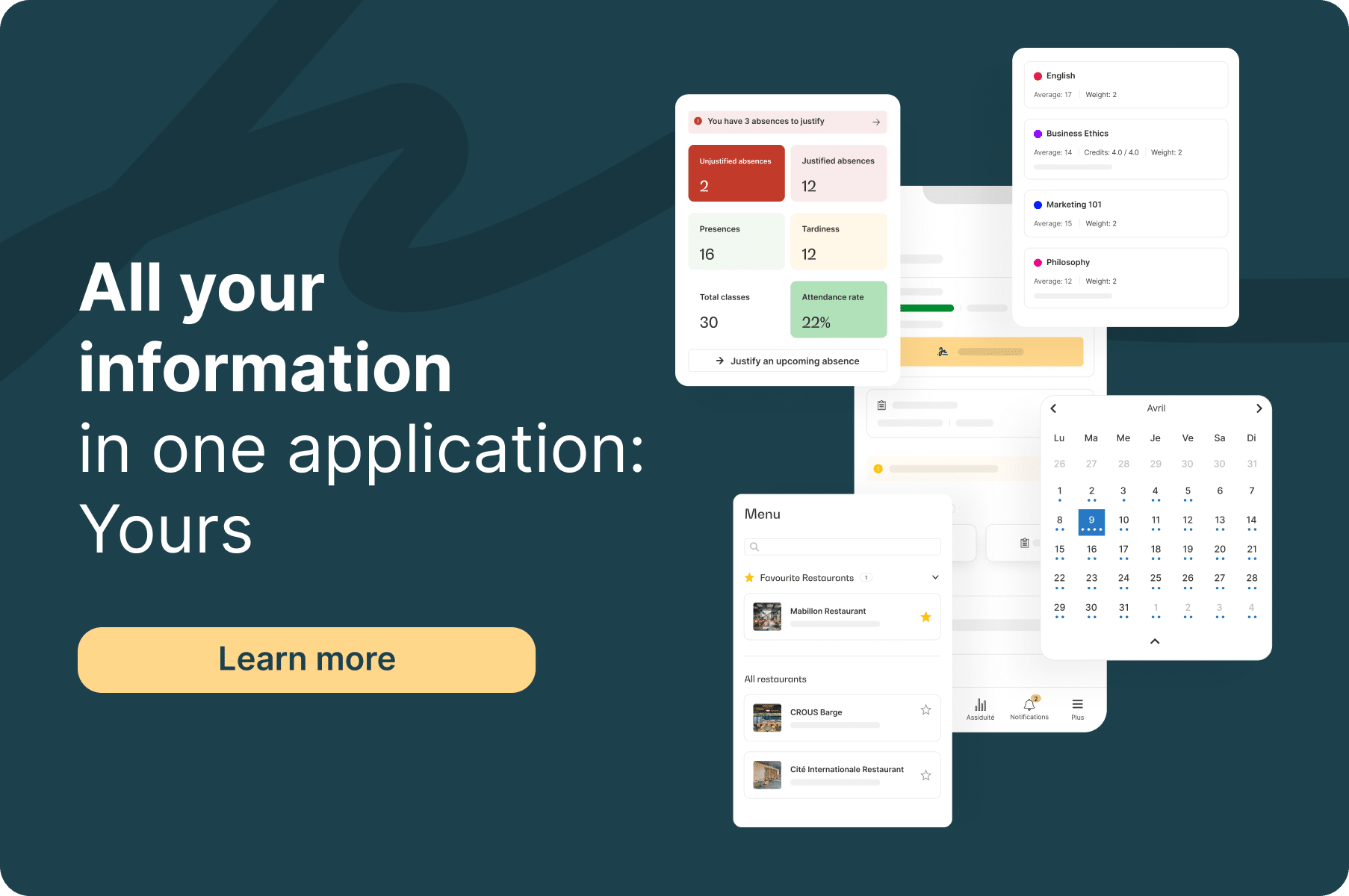
The Edusign app centralises timetable, news, attendance and alerts — in your institution's branding.
Student retention is a collective effort. Engaging families ensures that the structure provided by the school doesn’t disappear entirely during the break.
Organized playdates, sports clubs, and summer camps are vital for maintaining social skills. Schools can facilitate this by acting as a coordinator for local community projects. This sense of responsibility keeps students grounded and connected to their local ecosystem.
For education providers, summer is the best time to analyze performance and refine strategies. Using the right data ensures you are ready for a successful fall.
Technology should be more than a classroom tool; it is the infrastructure that holds a school community together 365 days a year. By combining social connection with smart data management, institutions can effectively close the learning gap.
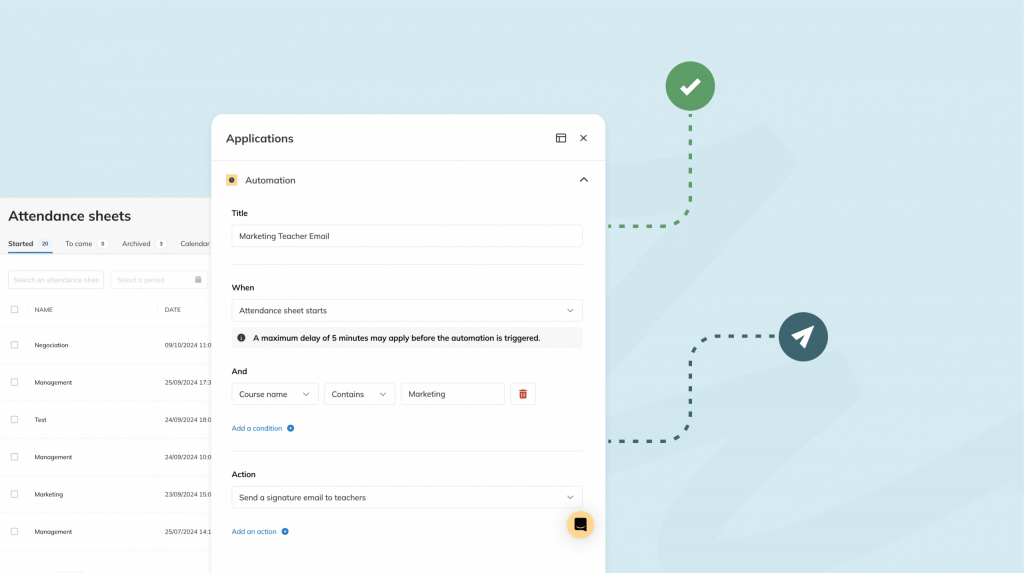
With Edusign, you can spend 5x less time on administration and more time focusing on student well-being and long-term success.
Search
Recent articles
Copyright © Edusign
Learn what SCORM is and its importance in e-learning content development.
The digital shift in training puts pressure on trainers. Discover proven strategies for supporting your team in adopting digital tools and improving outcomes.
The Learning Record Store (LRS) is a cloud-based data repository for storing xAPI statements. Learn how it works, its benefits, and how it differs from an LMS.