
In the rapidly evolving landscape of higher education, migrating to a modern campus environment has become a necessity rather than an option. By 2026, most educational institutions have realized that traditional on-premise systems can no longer support the complex requirements of modern academic operations.
Choosing the right cloud providers is not simply about storage space. It is about finding a comprehensive ecosystem of technologies that enhance student success and faculty engagement. A well-chosen academic success platform can transform how your institution operates daily.
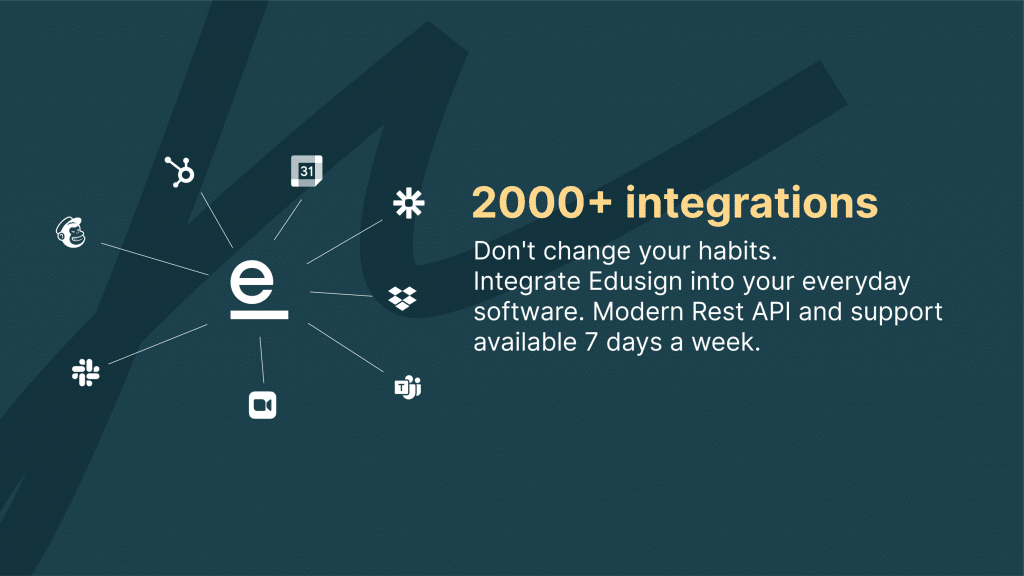
To build a robust institutional framework, you must understand the different cloud platforms available. A hybrid or private cloud model often offers the best flexibility for a university or college.
For specific technical needs, such as virtual desktops or academic labs, tools like Vocareum Campus Cloud enable remote access. This is particularly relevant when considering edge computing in training, where low latency is key for a smooth user experience.
When your team evaluates cloud solutions, several factors should drive the decision-making process:
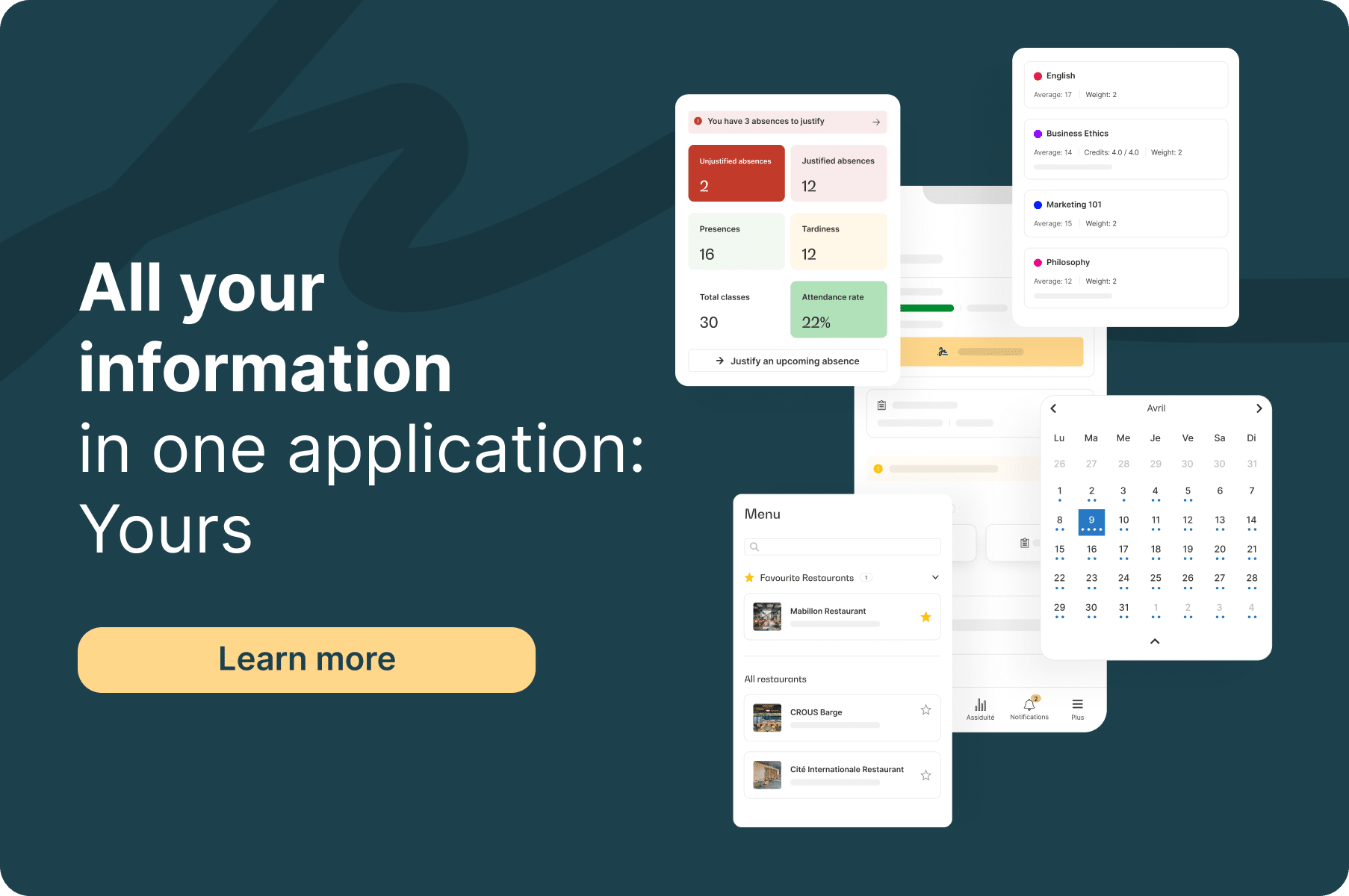
Your students deserve a better experience
The Edusign app centralises timetable, news, attendance and alerts — in your institution's branding.
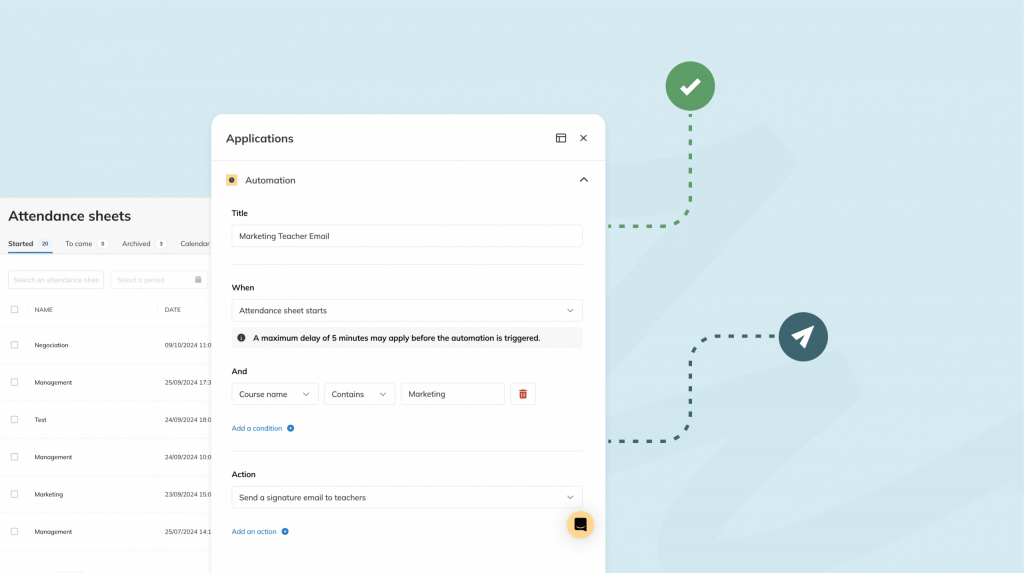
The primary advantage of a cloud platform is operational efficiency. Moving away from manual processes like paper attendance is essential for any “smart school.”
Edusign acts as a critical management platform by enhancing the workflow between departments. By digitizing recruitment, admissions, and classroom tracking, you protect your staff from administrative burnout.
Security is the pillar of any tech implementation. You must protect sensitive data against potential threats and ensure a fast incident response.
Innovation in 2026 is driven by machine learning and immersive learning. The impact of generative AI on training is increasingly visible, offering new ways to personalize the student journey.
Cloud data now allows for the integration of AI in skills assessment, providing a granular view of progress. Even standard processes like administrative signatures are evolving, as electronic signatures benefit any business by securing official documents in the cloud.
Search
Recent articles

Copyright © Edusign
Face-to-face training offers unique advantages: direct interaction, building trust with your trainer, and deeper skill development. Discover why it remains essential.
Criteria, formats and benefits of e-learning platforms: everything you need to choose the LMS that best fits your learners and your training strategy.
Corporate training is now essential. It maintains every employee's employability — and also contributes to their well-being and mental health at work.