

The first few weeks of college can be daunting. Freshman students often arrive feeling anxious, not knowing a single person in the room. Whether it is during orientation week or the first day of class, the atmosphere can be stiff and silent. This is where icebreaker activities play a vital role. They are not just games; they are strategic tools designed to spark conversation, build social connections, and foster a sense of community.
To create a positive and welcoming environment, instructors and orientation leaders need a repertoire of engaging activities. The goal is to help students feel comfortable enough to participate and share. Below is a curated list of 10 fun icebreakers for college students that work well in both physical classrooms and online classes.

Before diving into the list, it is important to understand the purpose behind these exercises. Student engagement is directly linked to academic success and retention. When students feel connected to their peers and the institution, they are more likely to succeed.
An effective icebreaker activity breaks down barriers. It helps students transition from being passive listeners to active participants. By lowering the stakes and focusing on fun, you create a safe environment where individuals can express their personalities. This sets the tone for the rest of the class or semester, encouraging collaboration and open communication.
Here are ten effective icebreaker activities designed to get students talking and connecting on a personal level.
This classic game requires no materials and is perfect for small groups. Divide students into small circles. Ask each participant to prepare three statements about themselves: two truths and one lie. The group must guess which statement is false. This activity encourages active listening and reveals interesting facts about fellow students, such as a unique childhood memory or a hidden talent.
Ideal for orientation week, a scavenger hunt gets students moving and exploring the map of the university. Create a list of locations or items to find (e.g., the library, the mascot statue, a specific coffee shop). Divide students into teams and set a time limit. Teams must take a photo at each location to prove they found it. This builds teamwork and helps students navigate their new life.
Buy a large inflatable beach ball and write different icebreaker questions on each section of the ball. Questions can range from “What is your favorite movie?” to “Where do you see yourself in the future?”. Toss the ball around the room. Whoever catches it must answer the question that lands under their left thumb. It adds a physical element that keeps the energy high.
Create a bingo card with different characteristics in each square (e.g., “Has visited Europe,” “Plays a musical instrument,” “Loves spicy food”). Students must walk around the room and find a person who matches the description to sign their card. The first player to get a full line wins. This encourages interaction with a wide range of people quickly.
Ask students to form groups and present them with a scenario: they are stranded on a desert island for the rest of your life. They must choose three items to bring. They have to agree as a team. This exercise promotes critical thinking and negotiation skills while revealing what students prioritize.
To get creative juices flowing, have the group build a story one word at a time. Go around the circle, with each student adding a single word to continue the narrative. It usually ends up being very funny and helps students loosen up.
Pair students up with someone they don’t know. Give them two minutes to find three things they have in common (excluding obvious things like “we are students”). It could be a shared hobby, a mutual dislike for a specific food, or a similar family background. This activity helps build memorable connections quickly.
Ask students to write down one item from their bucket list on a piece of paper or a sticky note. Then, stick them on a wall or a virtual board. As a group, read through them. This reveals shared goals and dreams, helping students connect based on their aspirations.
Tape the name of a famous person or character on the back of each student. They must walk around and ask yes/no questions to other participants to figure out who they are. This gets people moving and breaking the ice through laughter and inquiry.
For online classes, ask students to post an emoji in the chat that represents how they are feeling that day or their reaction to a specific topic. It is a quick, low-pressure way to gauge the mood of the room and encourage participation without needing everyone to speak at once.
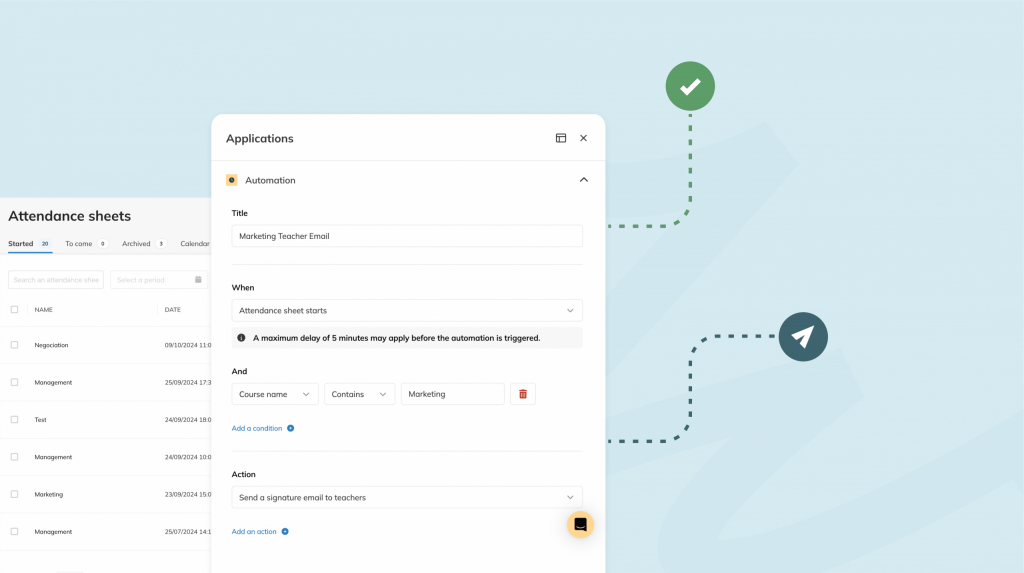
While icebreaker games are a great start, building a true sense of belonging requires ongoing effort. Universities should provide digital platforms to help students stay connected after the initial session.
An online campus app, like the one provided by Edusign, allows students to join groups, find events, and continue the conversation started during orientation. By integrating these social tools into the daily routine, you transform a momentary interaction into lasting friendships.
Using fun icebreakers is a simple yet powerful strategy to encourage students to connect and engage with their learning journey. By dedicating a small amount of time to these activities, you foster a supportive community that enhances the overall college experience. Whether through a human knot or a digital poll, the goal remains the same: to make every student feel seen, heard, and part of the team.
